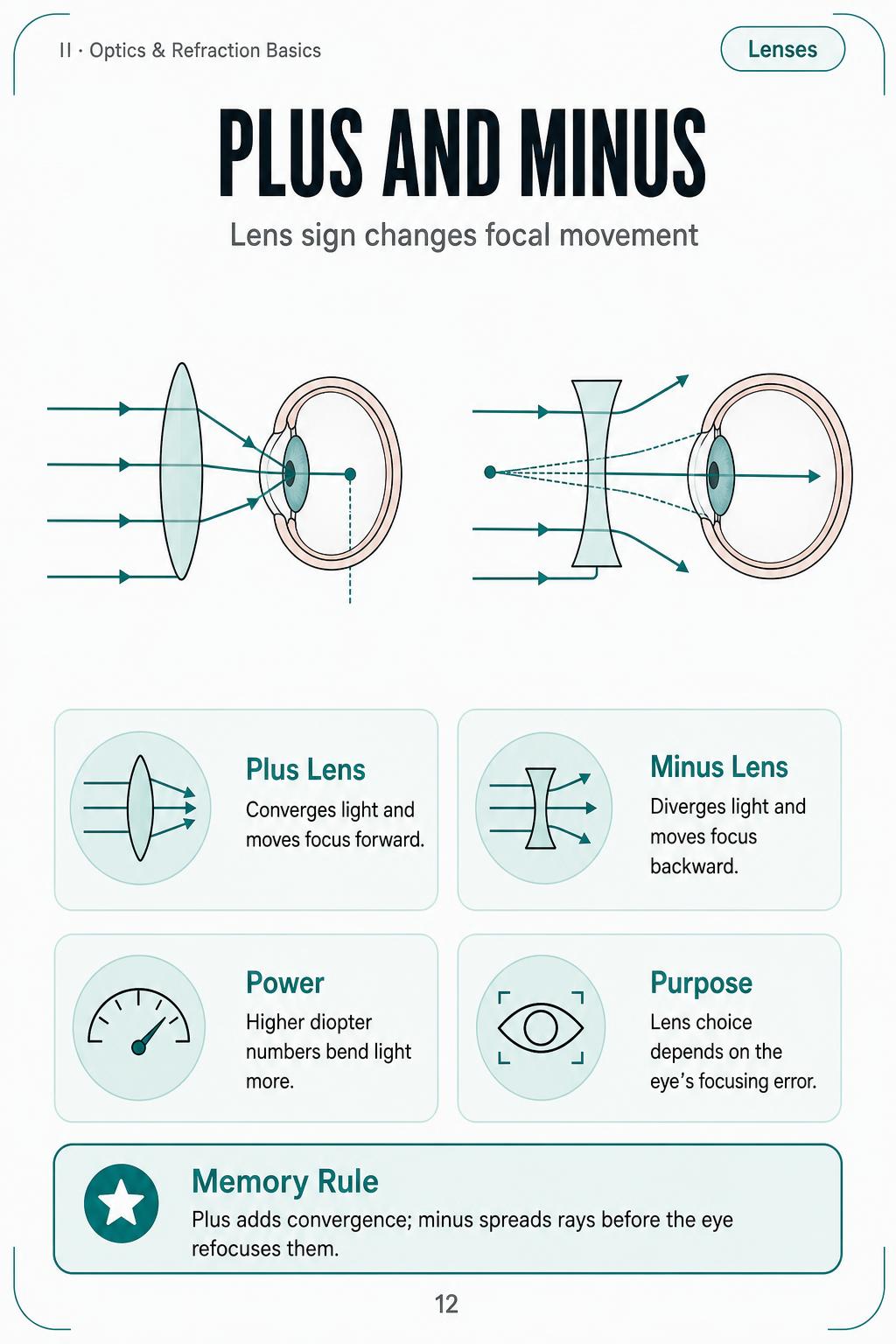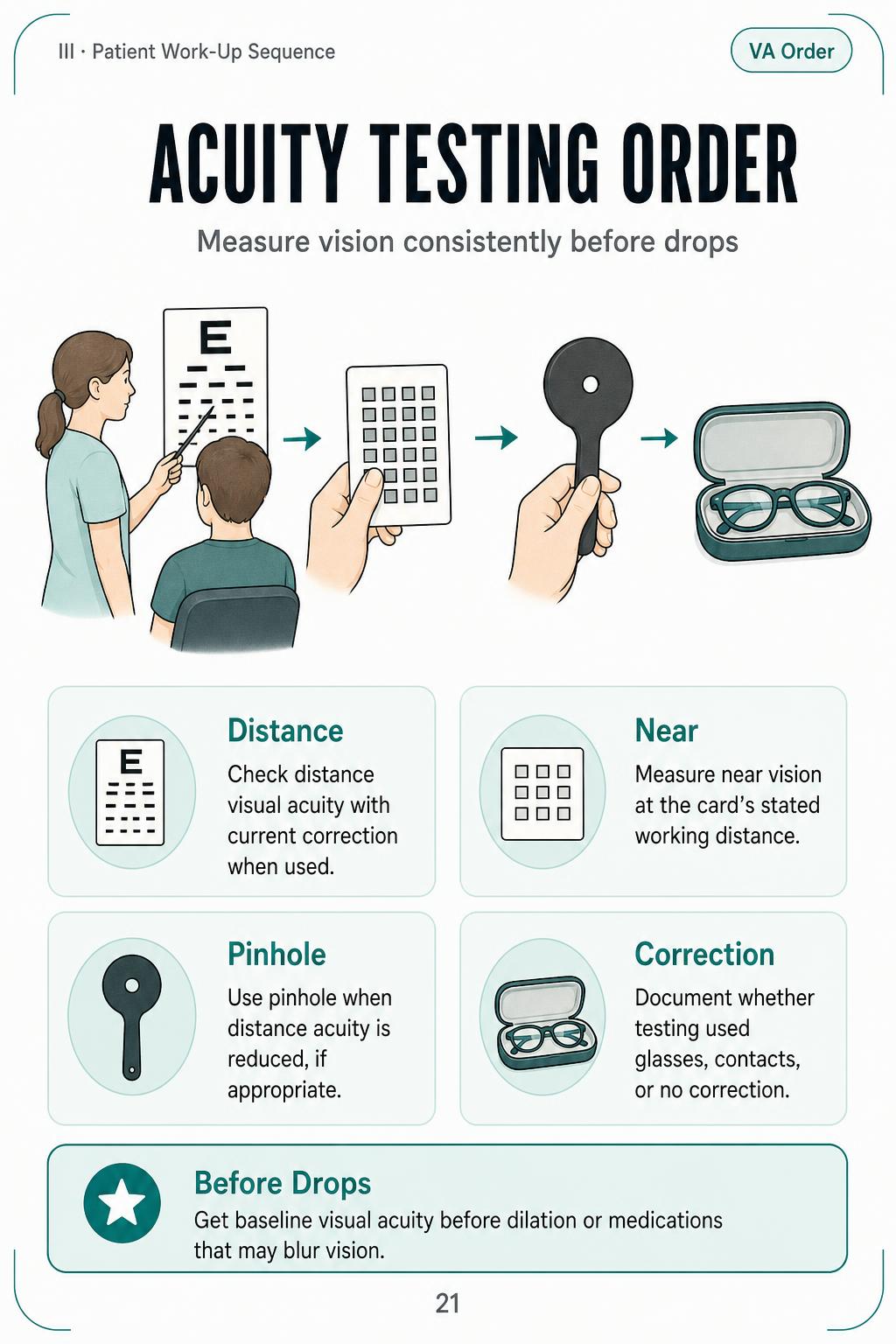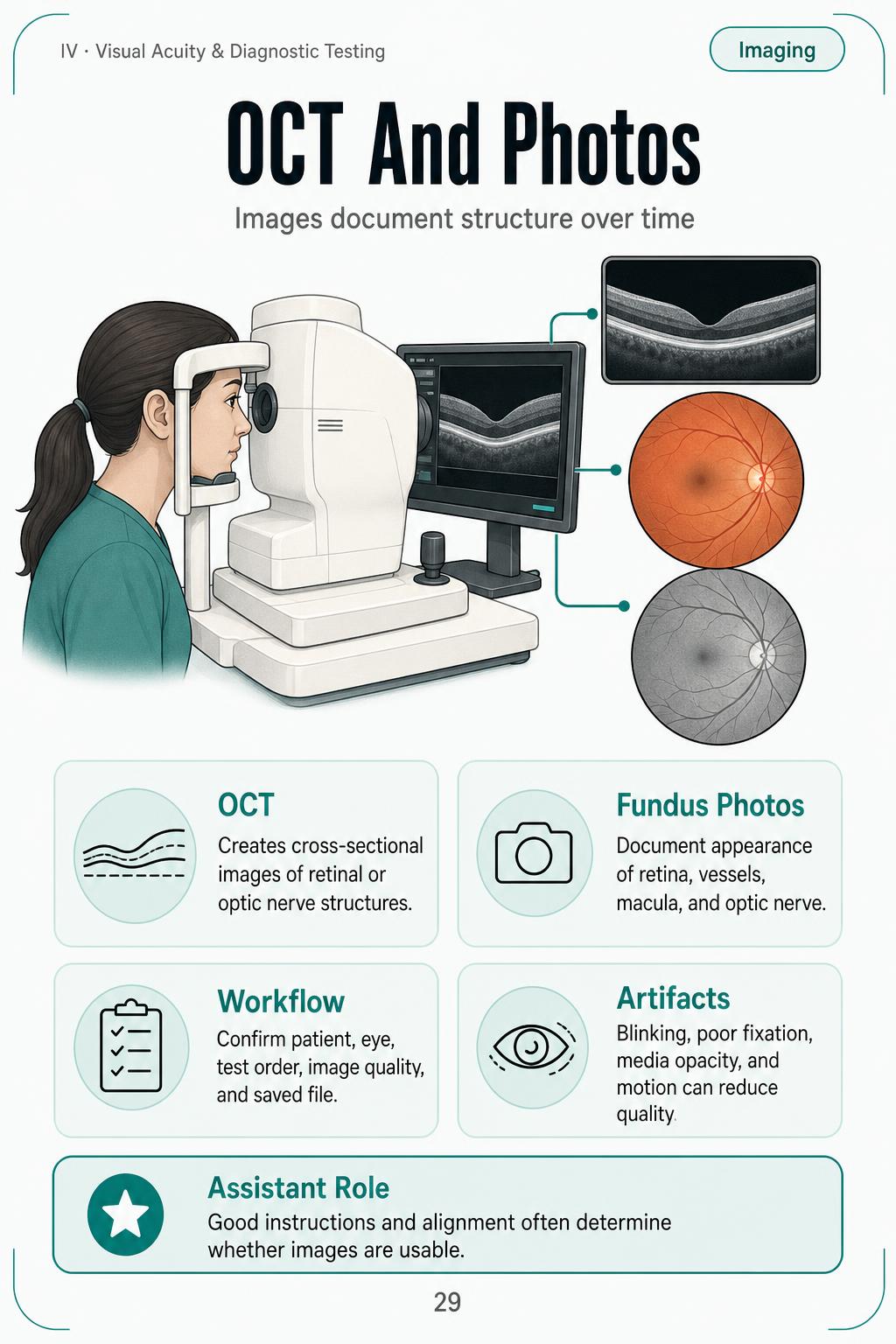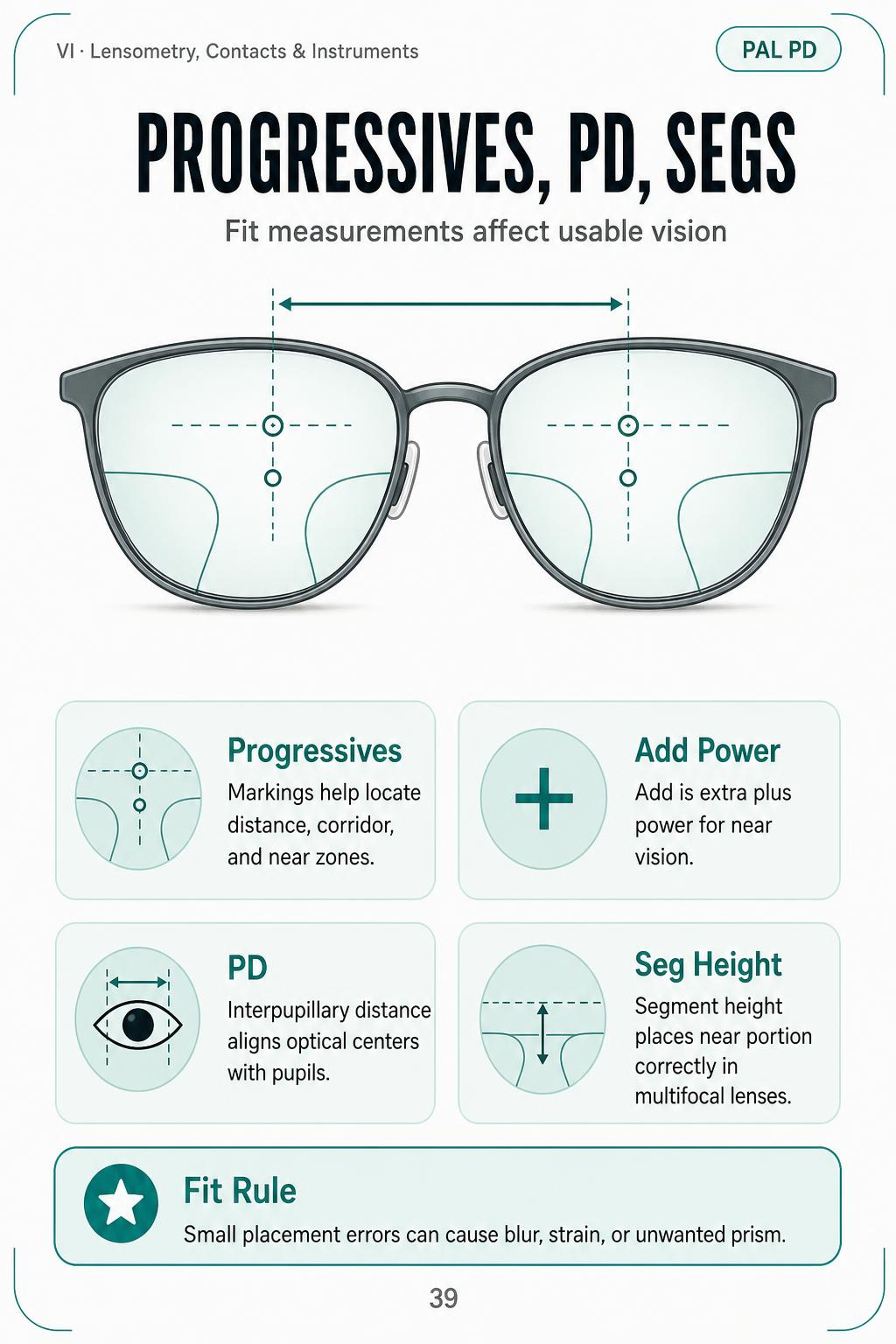


This illustrated PDF guide breaks down eye anatomy, optics, refraction, tonometry, visual fields, pharmacology, patient work-up, and exam-style reasoning. Each page focuses on one practical topic so you can see what to measure, what order to follow, and what the exam is likely checking.
Get the Illustrated COA GuideSecure checkout, PDF sent by email, and a 7-day guarantee.
The drawing shows the rule; the text backs it up.
8 parts, from eye anatomy to exam practice.
IJCAHPO COA outline, Certification Handbook, AAO BCSC.
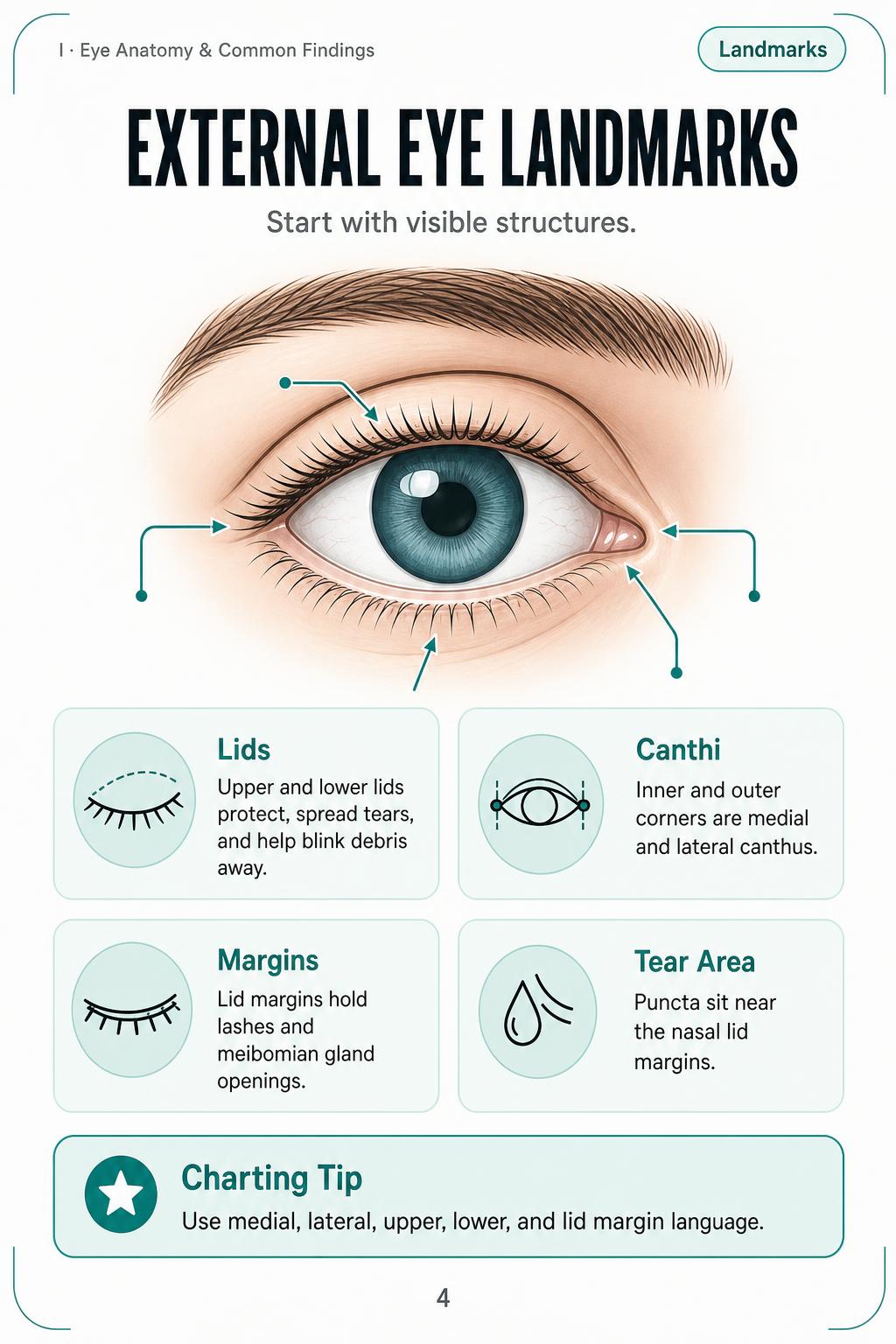
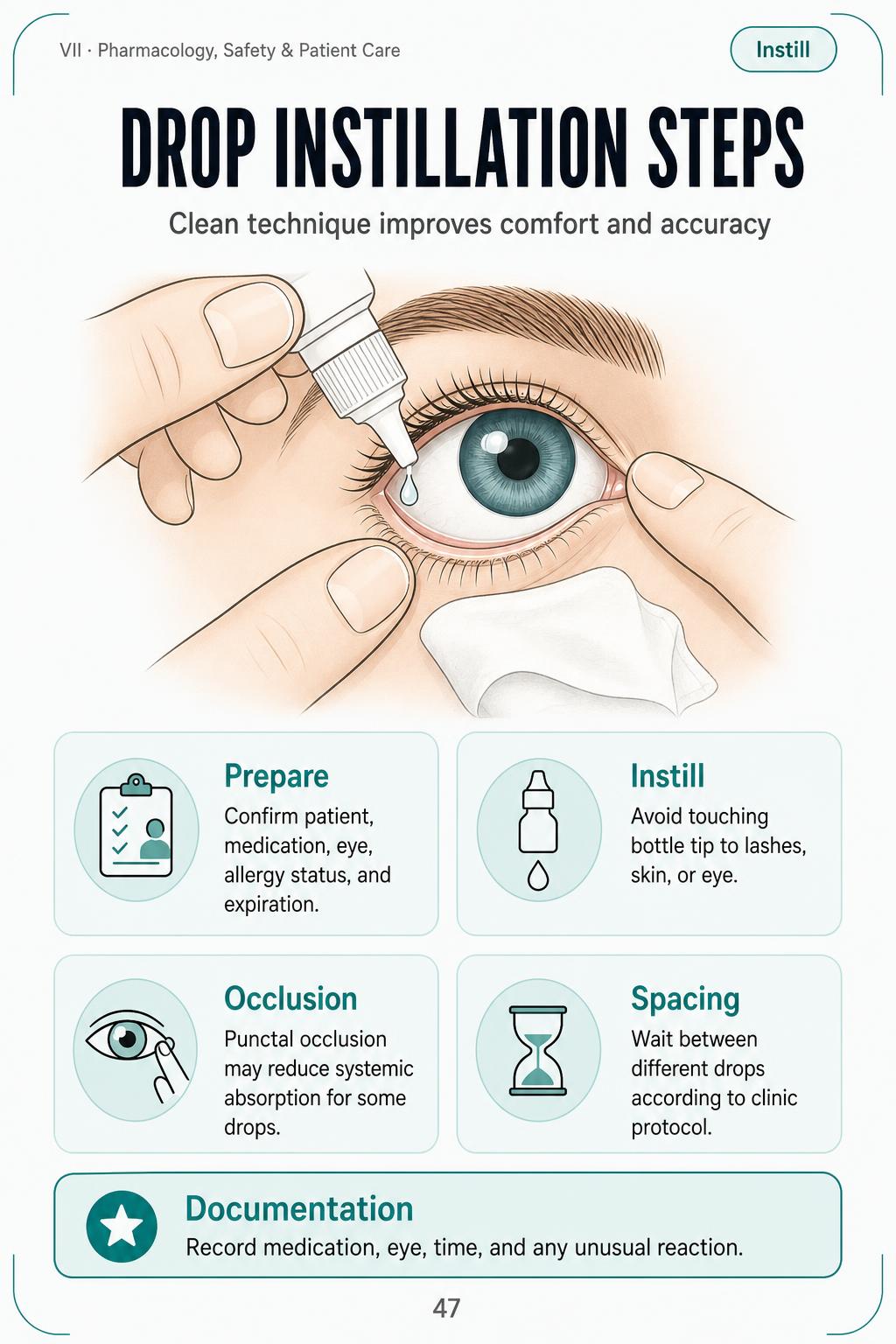
The sample pages show real guide topics such as the work-up order, retinoscopy reflex movement, applanation tonometry steps, pupil defect clues, and common visual field patterns.


Sample pages are representative study pages from the guide; this is an independent guide and is not affiliated with IJCAHPO.
You start the day with a full schedule, a new patient in the chair, and a chart that needs to be ready before the doctor walks in.
You can take history, check vision, enter drops, run tests, and keep the room moving. But when you open a COA study resource later, the same work suddenly turns into long paragraphs, unfamiliar wording, and terms that feel disconnected from the clinic.
One section talks about the cornea, another jumps to prisms, then another asks about tonometry, visual fields, or pharmacology. You recognize pieces of it, but it is hard to see the full order.
Then practice questions ask what comes next, what a finding means, or why a measurement matters. You may know the task, but not the exam language around it.
That gap is frustrating, especially when you learned by doing and not from a formal classroom. It is not your fault.
Accommodation is the process by which the crystalline lens changes shape in response to ciliary muscle contraction, increasing the refractive power of the eye for near vision. When accommodation is stimulated, convergence and pupillary constriction are commonly associated responses. In clinical testing, near point measurements, age-related loss of amplitude, and symptoms of asthenopia may be considered when evaluating complaints related to near work.

The guide is organized like a clinic day plus the exam blueprint: first the eye, then optics, then the work-up, then common tests, medications, safety, documentation, and practice reasoning.
You finish clinic, open the PDF, and choose one page instead of a whole chapter.
The drawing gives you the shape of the idea first: where the structure is, what the instrument measures, or what order the test follows.
The short explanation underneath connects the picture to exam wording, common mistakes, and the reason the step matters.
When a question asks about a finding, you are not trying to memorize a paragraph. You are remembering a page, a diagram, and a practical rule.
You still have to study, but the material feels organized instead of scattered.

This part maps the major eye structures and connects them to everyday clinic findings. After it, you can place common terms on the eye and understand why the location matters.
This part turns lenses, prisms, refractive errors, and prescriptions into visual rules. After it, you can read common optical notation and understand what a change in lens power is doing.
This part follows the flow of a patient visit from greeting to ready-for-doctor status. After it, you can connect each work-up step to the information the physician needs.
This part explains the common screening and diagnostic tests ophthalmic assistants help perform. After it, you can recognize what each test measures and what errors can affect the result.
This part focuses on pressure measurement, pupil clues, and field testing patterns. After it, you can follow the steps, identify common sources of error, and understand what abnormal patterns may suggest.
This part explains common optical and clinic instruments in simple steps. After it, you can understand what the instrument is measuring and what a clean, usable reading looks like.
This part covers medication categories, drop technique, safety checks, and patient communication. After it, you can recognize common ophthalmic drug purposes and follow safer patient-care routines.
This part connects exam content to charting, abbreviations, prioritization, and practice questions. After it, you can review mixed topics and explain why an answer fits.
The guide ends with mixed practice pages that help you connect anatomy, testing, patient care, and exam wording in one review path.


Total value: US$ 70.90
Complete PDF guide
You save US$ 33
✓ Less than one COA exam attempt (US$ 300)
Get the Illustrated COA Guide · US$ 37.90Your guide is delivered by email within a few hours of purchase, so you can save it to your device and print the pages you want.

You get a clear order for the topics instead of jumping between random notes. The drawings help you build a foundation before practice questions feel overwhelming.

You can review one page at a time and focus on weak areas like optics, tonometry, fields, or medications. The format is made for short study sessions after clinic.

You know the tasks, but this guide connects them to the language of the exam. It helps turn daily work-up steps into concepts you can explain.
This is not a good fit if you Need an official IJCAHPO publication or exam registration service · Want a complete ophthalmology textbook for advanced disease management · Expect any study guide to guarantee a passing score
You have 7 days to review the PDF. If it is not the right fit for your COA study, contact us within that window and you will receive a full refund.
It is a PDF guide with illustrated study pages. You can open it on a phone, tablet, laptop, or desktop.
The PDF is sent by email within a few hours of purchase. Check your inbox and spam or promotions folder if you do not see it.
No. This is an independent study guide for COA preparation and is not affiliated with, endorsed by, or sponsored by IJCAHPO.
It is written for ophthalmic assistants and technicians who may have learned on the job. It explains core topics in plain English while still covering practical exam areas.
Yes. The guide is designed so you can print selected pages for highlighting, notes, and quick review.
No study guide can guarantee an exam result. This guide helps you review the topics more clearly, practice reasoning, and organize your study.
Yes. It includes practice-question pages with answer explanations so you can see why an answer fits.
You have 7 days from purchase to request a full refund if the guide is not right for you.
If dense notes have made the exam feel bigger than the work you already do, this guide gives you a calmer, more visual way to review the core topics.
Get the Illustrated COA GuideSecure checkout, PDF sent by email, and a 7-day guarantee.